🎉 Up to 70% Off Selected ItemsShop Sale


Day To Day
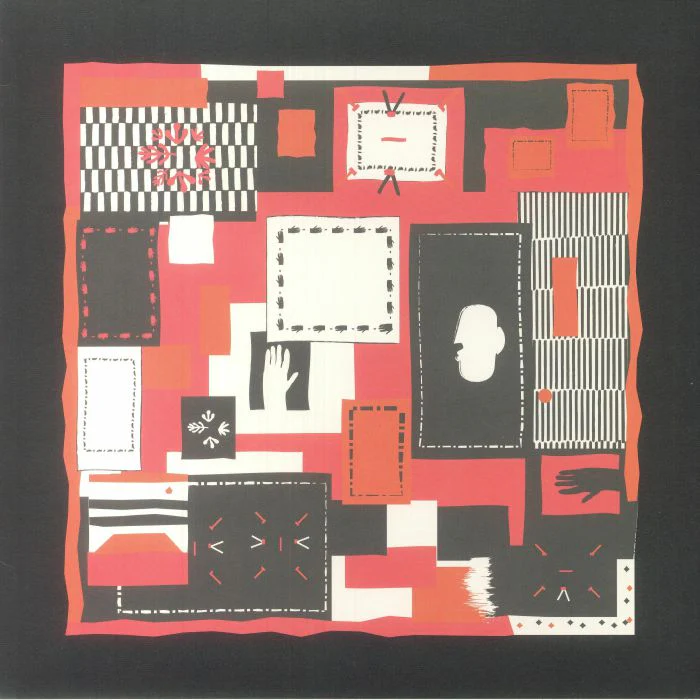
The extraordinary debut album from percussionist, drummer and producer Sarathy Korwar – “Day To Day” – fuses traditional folk music of the Sidi community in India (combining East African, Sufi and Indian influences) with jazz and electronics. It’s a collaborative release by Ninja Tune with The Steve Reid Foundation – a charitable trust established by Brownswood / Gilles Peterson with the dual objective of helping musicians in crisis and also supporting emerging talent. Sarathy is an alumnus of the Foundation’s development program, mentored by Four Tet, Emanative, Floating Points, Koreless and Gilles Peterson – all trustees of the foundation.
“Sarathy instantly caught my attention when he said he wanted to make an album that embraced both Indian folk music and jazz - two worlds that have had a big influence on me. His album succeeds in bringing these things together in an elegant way, but it’s his own style and ideas that come through the most in the music. Refreshingly different, this is a deep and powerful listening experience.” Four Tet
The Steve Reid Foundation commemorates the life and legacy of legendary percussionist/drummer Steve Reid. It is fitting that Sarathy’s album follows the lineage and spirit of Reid who himself left New York and took on a spiritual pilgrimage through Africa in the mid-1960s. For three years he journeyed through West Africa, playing with people along the way, including Fela Kuti, Guy Warren and Randy Weston. The musical roots and routes of the Black Atlantic have been discussed and documented extensively, but Sarathy is highlighting a different dispersal of people in the other direction, from East Africa to India. The Sidis travelled to India from Africa as merchants, sailors, indentured servants and mercenaries from as far back as 628 AD and have settled in India ever since.
“Sarathy instantly caught my attention when he said he wanted to make an album that embraced both Indian folk music and jazz - two worlds that have had a big influence on me. His album succeeds in bringing these things together in an elegant way, but it’s his own style and ideas that come through the most in the music. Refreshingly different, this is a deep and powerful listening experience.” Four Tet
The Steve Reid Foundation commemorates the life and legacy of legendary percussionist/drummer Steve Reid. It is fitting that Sarathy’s album follows the lineage and spirit of Reid who himself left New York and took on a spiritual pilgrimage through Africa in the mid-1960s. For three years he journeyed through West Africa, playing with people along the way, including Fela Kuti, Guy Warren and Randy Weston. The musical roots and routes of the Black Atlantic have been discussed and documented extensively, but Sarathy is highlighting a different dispersal of people in the other direction, from East Africa to India. The Sidis travelled to India from Africa as merchants, sailors, indentured servants and mercenaries from as far back as 628 AD and have settled in India ever since.
$36.53
Day To Day—
$36.53
Product Information
Product Information
Shipping & Returns
Shipping & Returns
Description
The extraordinary debut album from percussionist, drummer and producer Sarathy Korwar – “Day To Day” – fuses traditional folk music of the Sidi community in India (combining East African, Sufi and Indian influences) with jazz and electronics. It’s a collaborative release by Ninja Tune with The Steve Reid Foundation – a charitable trust established by Brownswood / Gilles Peterson with the dual objective of helping musicians in crisis and also supporting emerging talent. Sarathy is an alumnus of the Foundation’s development program, mentored by Four Tet, Emanative, Floating Points, Koreless and Gilles Peterson – all trustees of the foundation.
“Sarathy instantly caught my attention when he said he wanted to make an album that embraced both Indian folk music and jazz - two worlds that have had a big influence on me. His album succeeds in bringing these things together in an elegant way, but it’s his own style and ideas that come through the most in the music. Refreshingly different, this is a deep and powerful listening experience.” Four Tet
The Steve Reid Foundation commemorates the life and legacy of legendary percussionist/drummer Steve Reid. It is fitting that Sarathy’s album follows the lineage and spirit of Reid who himself left New York and took on a spiritual pilgrimage through Africa in the mid-1960s. For three years he journeyed through West Africa, playing with people along the way, including Fela Kuti, Guy Warren and Randy Weston. The musical roots and routes of the Black Atlantic have been discussed and documented extensively, but Sarathy is highlighting a different dispersal of people in the other direction, from East Africa to India. The Sidis travelled to India from Africa as merchants, sailors, indentured servants and mercenaries from as far back as 628 AD and have settled in India ever since.
“Sarathy instantly caught my attention when he said he wanted to make an album that embraced both Indian folk music and jazz - two worlds that have had a big influence on me. His album succeeds in bringing these things together in an elegant way, but it’s his own style and ideas that come through the most in the music. Refreshingly different, this is a deep and powerful listening experience.” Four Tet
The Steve Reid Foundation commemorates the life and legacy of legendary percussionist/drummer Steve Reid. It is fitting that Sarathy’s album follows the lineage and spirit of Reid who himself left New York and took on a spiritual pilgrimage through Africa in the mid-1960s. For three years he journeyed through West Africa, playing with people along the way, including Fela Kuti, Guy Warren and Randy Weston. The musical roots and routes of the Black Atlantic have been discussed and documented extensively, but Sarathy is highlighting a different dispersal of people in the other direction, from East Africa to India. The Sidis travelled to India from Africa as merchants, sailors, indentured servants and mercenaries from as far back as 628 AD and have settled in India ever since.